
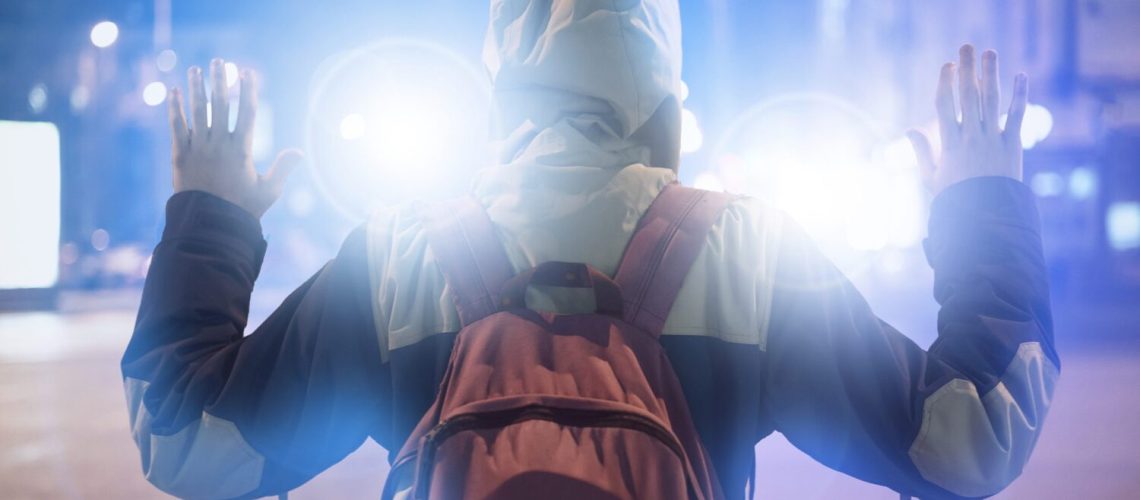
The power and authority vested in police forces have profound implications on societal trust, safety, and the psychological well-being of citizens. In some nations, police wield significant power, which can either bolster a sense of security or instill fear (https://www.pewresearch.org/politics/2024/06/24/public-trust-in-government-1958-2024/). Conversely, in countries where police power is more controlled, public trust and cooperation tend to flourish.
Research shows that in countries like the United States (https://www.pbs.org/speaktruthtopower/issue_police.html) and Russia, strong police authority is often linked to higher instances of public fear and mistrust, particularly among marginalized communities . Conversely, nations like Norway and New Zealand, which emphasize community policing and stringent accountability measures, report higher levels of public trust and a sense of safety .
Understanding the balance between police power and public perception is crucial for developing effective law enforcement policies that promote safety and trust. This article explores these dynamics, drawing on scientific, legal, psychological, and social perspectives to provide a comprehensive analysis of the impact of police power around the world.

Nations with Strong Police Power
Countries like the United States, Russia, and others such as Egypt and the Philippines have police forces with significant autonomy and authority. In these nations, police have extensive powers to enforce the law, often leading to a perception of control and order. However, this can also result in high-profile incidents of police brutality and corruption, which undermine public trust and create a climate of fear among citizens.
For instance, the United States has seen numerous cases of police misconduct and brutality, leading to widespread protests and calls for reform. The legal framework in the U.S. provides police with broad discretion under the guise of maintaining public order and safety. However, this has often led to the disproportionate targeting of minority communities. The Black Lives Matter movement, which gained momentum following the killing of George Floyd, highlights the ongoing struggle against police brutality in the U.S. Legal protections for police officers, such as qualified immunity, further complicate accountability efforts .
In Russia, the police are often used as instruments of political control. The Russian legal system allows for extensive police powers, often used to suppress dissent and opposition. Reports by Human Rights Watch and Amnesty International have documented numerous instances of police abuse and the suppression of political protests. The lack of independent oversight and accountability mechanisms exacerbates the problem, leading to widespread fear and mistrust among the public .
Countries like Egypt also exhibit strong police power. Under President Abdel Fattah el-Sisi, the Egyptian police and security forces have been granted broad authority to detain, interrogate, and silence critics and opposition figures. The legal framework in Egypt allows for indefinite detention without trial under the guise of combating terrorism. This has led to significant human rights abuses and a climate of fear and oppression among citizens. The 2013 Rabaa massacre, where hundreds of protestors were killed by security forces, remains a stark example of police brutality in Egypt .
Psychological Impact
In countries with strong police power, the psychological impact on citizens can be profound. High levels of police presence and authority can lead to increased stress and fear, particularly among minority communities. Studies indicate that living in an environment where police power is unchecked can lead to heightened anxiety, a sense of vulnerability, and a pervasive feeling of insecurity.
For example, in the United States, a study published in the Proceedings of the National Academy of Sciences found that police killings of unarmed Black Americans are associated with poor mental health among Black adults. This indicates the far-reaching psychological impacts of police violence beyond the immediate victims. The fear of police encounters can lead to chronic stress, which adversely affects mental and physical health .
Similarly, in Russia, the constant threat of police surveillance and the potential for arbitrary detention contribute to a climate of fear and suspicion. This environment stifles free expression and political activism, leading to a society where people are reluctant to voice dissent or engage in public protests.
In Egypt, the pervasive presence of police and security forces in everyday life creates a constant state of vigilance among citizens. The threat of arbitrary arrest and detention leads to widespread fear and self-censorship, significantly affecting the mental well-being of the populace.

Nations with Controlled Police Power
Countries like Norway, New Zealand, Finland, and Costa Rica exemplify police forces with more restricted powers. These nations emphasize community policing and accountability, leading to higher levels of public trust and cooperation. The police in these countries often focus on de-escalation and preventive measures rather than punitive actions.
Legal Framework and Examples
- Norway: Norwegian police are governed by strict regulations emphasizing human rights and community engagement. A notable practice is the reliance on unarmed patrols, with firearms typically stored in patrol cars and only used when absolutely necessary. This approach is supported by a comprehensive legal framework that includes strong oversight mechanisms such as the Norwegian Bureau for the Investigation of Police Affairs (Spesialenheten for politisaker), which investigates misconduct and ensures accountability .
- New Zealand: The New Zealand Police force operates under the Policing Act 2008, which promotes community policing and transparency. The Independent Police Conduct Authority (IPCA) oversees complaints against the police. New Zealand’s police training emphasizes conflict resolution and communication skills, fostering a culture of trust and cooperation. The success of this approach is evident in high public confidence in the police force .
- Finland: Finland’s police emphasize social services and preventative measures. Finnish law mandates comprehensive police training that includes extensive coursework in human rights, ethics, and mental health. This holistic approach reduces incidents of police violence and increases public trust. The Finnish model of “soft policing” aims to solve problems through dialogue and social support rather than coercion .
- Costa Rica: With no standing army, Costa Rica’s police force plays a crucial role in national security. The focus on human rights and community relations is ingrained in their policing philosophy. Training includes significant components on civil rights and community engagement, supported by legal frameworks that ensure transparency and accountability .
Legal and Social Framework
Legal frameworks in these countries often include stringent checks and balances on police power. Socially, there is a stronger emphasis on human rights and civil liberties, fostering a more cooperative relationship between the police and the public. This approach can lead to a safer and more cohesive society. For instance, Norway’s model of community policing, grounded in the principle of trust-based policing, results in low crime rates and high levels of public safety. The emphasis on accountability and transparency in New Zealand and Finland similarly contributes to a positive public perception and a reduction in police-related incidents .

Comparative Analysis
Safety and Protection
Surveys and studies consistently show that in countries with controlled police power, citizens generally feel safer and more protected. For example, Norway consistently ranks high in global safety indexes. According to the Global Peace Index 2022, Norway is among the top 20 safest countries in the world, with citizens expressing high levels of trust in their police force. This high level of safety is attributed to the country’s emphasis on community policing and stringent accountability measures that ensure police officers act within the bounds of the law .
Fear and Intimidation
Conversely, in countries with powerful police forces, there is often a higher degree of fear and intimidation among the populace. In the United States, for example, a study by the Pew Research Center found significant disparities in how different communities perceive the police. Many minority groups report higher levels of fear and distrust towards the police. This fear is often linked to high-profile incidents of police brutality and a perceived lack of accountability within the police force . Russia presents a similar case, where Amnesty International reports frequent instances of police abuse and corruption, contributing to a pervasive climate of fear among citizens .
The power of the police can be a double-edged sword. While the intention is to maintain law and order, the methods and extent of this power profoundly impact public perception and societal well-being. As nations continue to evaluate and reform their law enforcement practices, it is clear that those who prioritize transparency, accountability, and community relations create environments where citizens feel genuinely protected rather than intimidated. The lesson is clear: effective policing is not just about enforcing the law, but about building trust and fostering a sense of security within the community.
