
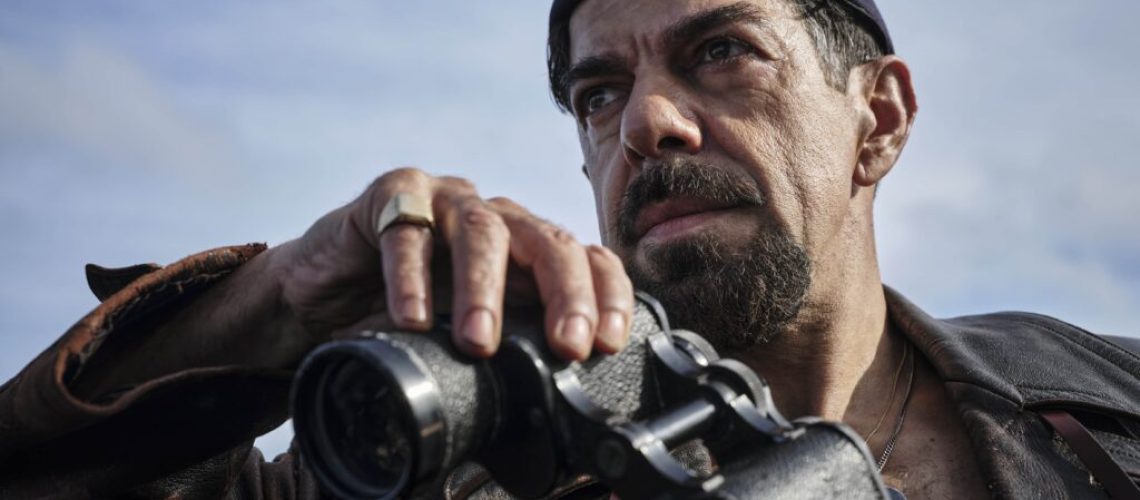
The Debate Over Military and Police Leadership
The debate over what makes an effective military or police commander is as heated as ever. Should a leader be someone who has climbed the ranks through practical, on-the-ground experience, or should they come equipped with a thorough education from an officer training academy? This question isn’t just academic—it impacts real-world effectiveness, strategy, and the morale of the forces they lead.
The Case for Experience
Advocates for leaders who have risen from the ranks argue that firsthand experience is irreplaceable. These leaders have lived the life of their subordinates, understanding the nuances and realities of field operations. They have faced the unpredictability and pressures of active duty, which many believe shapes a more competent and relatable leader. For example, historical military leaders like General George S. Patton and Field Marshal Erwin Rommel were known for their extensive field experience, which greatly influenced their command style and effectiveness.
A study published in the Journal of Applied Psychology highlights that leaders with substantial field experience tend to make quicker, more effective decisions under pressure . This kind of practical wisdom is invaluable in high-stakes environments where every decision can mean the difference between success and failure.
The Case for Education
On the other hand, proponents of formal education argue that officer training academies provide crucial strategic and theoretical knowledge. These institutions teach leadership principles, ethics, and advanced tactical planning—skills that are essential for high-level decision-making and long-term strategic success. Leaders who have undergone rigorous academic training, such as General Dwight D. Eisenhower, who attended the Command and General Staff School, demonstrate how a solid educational foundation can prepare commanders for complex strategic roles.
Research from Military Review suggests that academic training equips leaders with a broader perspective, allowing them to understand and implement complex strategies that might not be as apparent to those who have only field experience .
Recent Challenges in U.S. Law Enforcement
The necessity of effective leadership is particularly evident in recent challenges faced by U.S. law enforcement. High-profile incidents such as the handling of protests following the George Floyd incident have revealed significant gaps in leadership and strategic planning. Articles from The New York Times and Police1 discuss these shortcomings and emphasize the need for leaders who are both well-educated and experienced in the realities of field operations .
The question remains: is it better to have a leader forged in the fires of field experience, or one sculpted in the halls of academia? The most effective leaders may indeed be those who can draw from both wells of knowledge, combining practical wisdom with strategic acumen. As the debate continues, it’s clear that the evolution of leadership training must consider these insights to prepare future commanders for the complex challenges they will face.

Examining Military and Police Leaders: Education vs. Experience
Historical Military Leaders
1. Napoleon Bonaparte (1769-1821)
- Education: Attended the École Militaire in Paris, where he trained as an artillery officer.
- Experience: Rose to prominence through his tactical brilliance on the battlefield, demonstrating innovative strategies during the Italian Campaign and the Battle of Austerlitz.
- Analysis: Napoleon’s blend of formal military education and extensive battlefield experience made him one of history’s most formidable military leaders. His ability to apply theoretical knowledge practically set him apart.
2. George S. Patton (1885-1945)
- Education: Graduated from the U.S. Military Academy at West Point.
- Experience: Distinguished himself in World War I and II, particularly during the Battle of the Bulge and the North African Campaign.
- Analysis: Patton’s aggressive tactics and deep understanding of armored warfare were honed through both his formal education and his practical experience in combat, making him an effective leader.
3. Erwin Rommel (1891-1944)
- Education: Attended the Royal Officers’ Training College in Danzig.
- Experience: Gained fame for his leadership in the Afrika Korps during World War II, known for his innovative tactics in desert warfare.
- Analysis: Rommel’s ability to adapt his theoretical training to real-world scenarios exemplifies the importance of experience in conjunction with formal education.
Contemporary Military Leaders
1. General James Mattis (1950-)
- Education: Graduated from Central Washington University and the Marine Corps University.
- Experience: Served in numerous conflicts, including the Gulf War, Afghanistan, and Iraq. Known for his leadership of the 1st Marine Division during the Iraq War.
- Analysis: Mattis’s leadership philosophy emphasizes both extensive reading and battlefield experience, illustrating the value of a well-rounded military education complemented by real-world application.
2. General David Petraeus (1952-)
- Education: Graduated from the U.S. Military Academy at West Point; earned a Ph.D. from Princeton University.
- Experience: Commanded the Multi-National Force in Iraq and the International Security Assistance Force in Afghanistan.
- Analysis: Petraeus’s scholarly background in counterinsurgency, combined with his practical leadership during complex conflicts, highlights the importance of integrating academic knowledge with field experience.
Historical Police Leaders
1. August Vollmer (1876-1955)
- Education: Limited formal education, but extensively self-educated on policing methods.
- Experience: Chief of Police in Berkeley, California; pioneered modern police practices including the use of forensic science and the establishment of the first police academy.
- Analysis: Vollmer’s practical reforms and innovations were driven by his on-the-job learning and self-education, showcasing how experience can lead to significant advancements in law enforcement.
2. Sir Robert Peel (1788-1850)
- Education: Studied at Harrow School and Christ Church, Oxford.
- Experience: Established the Metropolitan Police Service in London, creating the foundations of modern policing.
- Analysis: Peel’s academic background and political experience were crucial in formulating his principles of policing, demonstrating the impact of formal education on law enforcement policy.
Contemporary Police Leaders
1. William Bratton (1947-)
- Education: Graduated from Boston State College.
- Experience: Served as Police Commissioner of New York City, Los Angeles, and Boston. Known for implementing CompStat and reducing crime rates.
- Analysis: Bratton’s strategies in law enforcement are a result of both his formal education and extensive experience in various police departments, highlighting the importance of a balanced approach.
2. Ray Kelly (1941-)
- Education: Graduated from Manhattan College and St. John’s University School of Law; Master’s degrees from Harvard and the Naval War College.
- Experience: Served as Police Commissioner of New York City, leading the department through significant reforms post-9/11.
- Analysis: Kelly’s educational achievements and practical leadership during challenging times underscore the value of a comprehensive educational background combined with practical experience.
Italian Military and Police Leaders
1. General Giuseppe Garibaldi (1807-1882)
- Education: Limited formal military education; largely self-taught.
- Experience: Led military campaigns for the unification of Italy, known for his role in the Expedition of the Thousand.
- Analysis: Garibaldi’s effectiveness as a leader stemmed from his extensive practical experience and ability to inspire and mobilize troops, demonstrating the power of experiential learning.
2. General Carlo Alberto Dalla Chiesa (1920-1982)
- Education: Graduated from the Military Academy of Modena.
- Experience: Known for his fight against the Red Brigades and organized crime in Sicily. His efforts in counter-terrorism and anti-Mafia operations were significant.
- Analysis: Dalla Chiesa’s blend of formal military training and extensive field experience in law enforcement underscores the importance of a comprehensive approach to leadership.
3. Prefect Giovanni Falcone (1939-1992)
- Education: Graduated in law from the University of Palermo.
- Experience: Leading anti-Mafia magistrate known for his innovative investigative techniques and role in the Maxi Trial against the Sicilian Mafia.
- Analysis: Falcone’s legal education and practical experience in tackling organized crime highlight the critical interplay between academic knowledge and field application.

The debate on whether a military or police leader is more effective if they rise through the ranks from field experience or if they are formally educated in a military academy is longstanding and complex. As a psychologist and military scholar, I will analyze this topic, drawing on historical and contemporary examples, and referencing authoritative sources to understand the advantages and disadvantages of each path to leadership.
The Case for Experience-Based Leadership
Practical Knowledge and Credibility Leaders who have risen through the ranks, starting from the ground level, often possess a deep practical understanding of field operations. Their hands-on experience enables them to make informed decisions based on real-world conditions. This type of leader is often respected by subordinates for having “been there” and having a first-hand understanding of the challenges faced on the front lines.
Historical Examples
- General Dwight D. Eisenhower – Before becoming the Supreme Commander of the Allied Expeditionary Force in Europe during World War II, Eisenhower had extensive field experience, including roles in logistics and operations. His practical experience and ability to coordinate large-scale operations were crucial to the success of the D-Day invasion.
- Giovanni Falcone – While not a military leader, Falcone’s approach to combating the Mafia was deeply informed by his extensive experience as a prosecutor in the field. His practical knowledge of Mafia operations and legal strategies led to significant victories in the fight against organized crime.
The Case for Education-Based Leadership
Strategic Thinking and Theoretical Knowledge Leaders who have been educated in military academies or similar institutions often bring a broad strategic perspective. Their training typically includes studies in leadership theory, military history, ethics, and advanced tactics, which can be critical in planning large-scale operations and long-term strategies.
Historical Examples
- General Douglas MacArthur – A graduate of the United States Military Academy at West Point, MacArthur’s formal education and strategic acumen were evident in his leadership during World War II and the Korean War. His ability to conceptualize and execute complex operations showcased the benefits of an education-focused path.
- Helmuth von Moltke the Elder – As Chief of the Prussian General Staff, von Moltke’s formal education and strategic brilliance were instrumental in his successful planning and execution of military campaigns during the 19th century, exemplifying the effectiveness of a theoretically-grounded leader.
Psychological Perspectives
Field Experience and Empathy From a psychological perspective, leaders with field experience tend to exhibit higher levels of empathy towards their subordinates. This can enhance team cohesion and morale, as soldiers and officers feel understood and valued. Studies suggest that empathy in leadership can lead to higher levels of trust and effectiveness in high-stress environments (Goleman, 1995).
Education and Cognitive Flexibility Conversely, leaders with a strong educational background often exhibit greater cognitive flexibility, allowing them to adapt to rapidly changing situations and think critically about complex problems (Kotter, 1990). Their theoretical grounding can provide a framework for innovative solutions and long-term planning, essential in modern, unpredictable conflicts.
Combining Both Approaches
The Ideal Leader The most effective leaders often combine both practical experience and formal education. A blend of field-tested knowledge and strategic education creates a well-rounded leader capable of both empathetic, ground-level decision-making and high-level strategic planning. This combination can be seen in leaders such as General Colin Powell, who combined his Vietnam War experience with formal military education to lead effectively in various roles, including as Chairman of the Joint Chiefs of Staff.
Current Practices Modern military and police organizations recognize the value of both paths and often encourage officers to gain experience in the field before attending advanced training programs. This integrated approach ensures that leaders are well-equipped to handle both immediate tactical challenges and broader strategic objectives.
The debate between experience-based and education-based leadership in military and police contexts does not have a one-size-fits-all answer. Both paths offer unique advantages that can be crucial in different situations. The ideal leader is one who can combine practical, on-the-ground experience with a broad, strategic education. This hybrid approach ensures a leader who is not only respected and empathetic but also innovative and capable of handling the complexities of modern leadership.
For further reading on the subject, consider these sources:
- Goleman, D. (1995). Emotional Intelligence: Why It Can Matter More Than IQ.
- Kotter, J. P. (1990). A Force for Change: How Leadership Differs from Management.
- The U.S. Army’s Leader Development Strategy Army University Press
- Police Leadership in a Democracy: Transforming Hierarchical Police Structures Police Chief Magazine

Personal Perspective on Leadership
I firmly believe that both formal education and practical experience are indispensable components of effective leadership. However, it is equally critical to acknowledge that a leader cannot and should not be reduced to mere diagrams or percentages. Leadership is inherently tied to personality and individuality. Hence, before entrusting someone with command, it is crucial to assess their actual capabilities rather than merely their titles or credentials.
The Essence of a Leader
What is the ultimate goal of a police or military leader? It is to win the war, whether that war is against a foreign enemy or against crime, and to create a productive and positive environment for soldiers and officers. Achieving this goal can take many forms. A leader must inspire a sense of trust and confidence. As an officer or soldier, are you willing to entrust your life to your commander? This fundamental question underscores the essence of true leadership.
The Unique Nature of Leadership
Each leader brings a unique set of skills, perspectives, and experiences to their role. Standardized metrics can sometimes overlook the nuanced qualities that make a leader effective. True leadership often involves intangible qualities such as charisma, empathy, and the ability to inspire and motivate others. These traits cannot always be quantified but are essential for fostering trust and loyalty among subordinates.
Trust and Confidence
A leader’s ability to generate trust is paramount. Soldiers and officers must feel confident that their leader can make sound decisions under pressure, prioritize their welfare, and lead them through challenging situations. This trust is built through consistent actions that demonstrate competence, fairness, and dedication.
In conclusion, the path to effective leadership is multifaceted and cannot be confined to a single formula. Both educational background and practical experience are vital, but the unique personal attributes of a leader play an equally critical role. As we evaluate potential leaders, we must look beyond their resumes to understand their true potential to lead and inspire.
For further reading on leadership and its complexities, consider these sources:
- Forbes – What Makes A Leader: Why Emotional Intelligence Is Crucial For Success
- Harvard Business Review – What Makes a Leader?
- Psychology Today – The Qualities of a Good Leader
These articles delve deeper into the qualities that define successful leaders and the balance between education and practical experience.
