
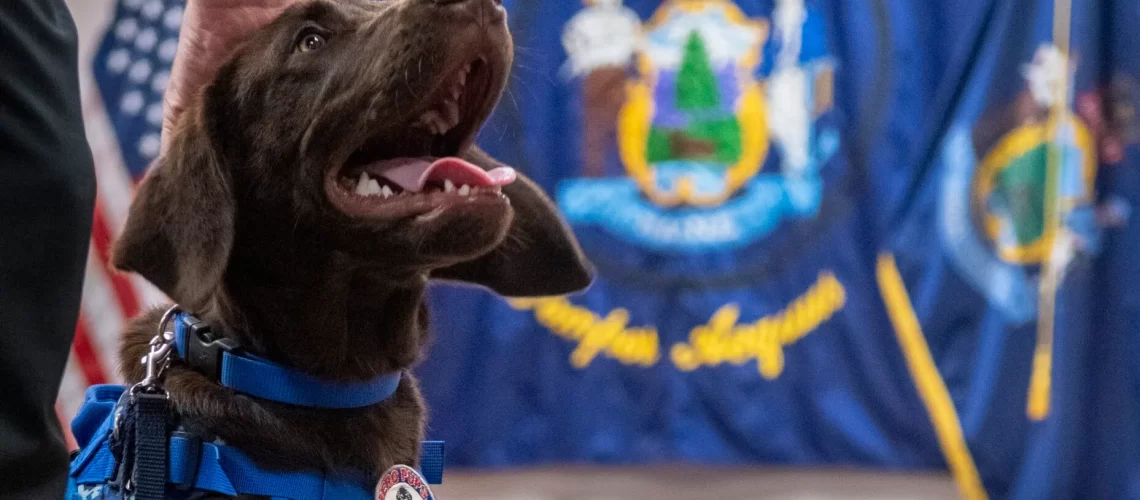
In the realm of law enforcement and security, there exists an extraordinary partnership, a dynamic fusion of dedication and discipline: the K-9 units. These highly specialized teams, comprised of our loyal four-legged companions and their human counterparts, demonstrate a bond that is nothing short of remarkable. As we delve into the intricacies of K-9 training and communication, prepare to be astounded by the astonishing feats these pairs accomplish.
While it might sound like the plot of a heartwarming Disney movie, this partnership is grounded in rigorous training and an understanding that goes beyond mere words. In this article, we’ll take you through the world of K-9 units, shedding light on the vital role communication plays in their success. So, whether you’re an aspiring handler or just a curious dog lover, fasten your seatbelts; you’re in for a wild ride.
Now, let’s get serious. The relationship between a K-9 officer and their handler isn’t just about fetching the occasional criminal – it’s a symphony of cooperation, trust, and finely-tuned communication. As the saying goes, “Not all heroes wear capes; some have wagging tails.” We’re about to dive deep into the underbelly of K-9 training, where barks and commands are the lingua franca. And for those doubting Thomases out there, rest assured, our insights are backed by the authority of experts who’ve dedicated their lives to these remarkable partnerships. So, let’s unravel the mysteries of K-9 communication and training with the seriousness it deserves.
The Bond Between K-9s and Handlers
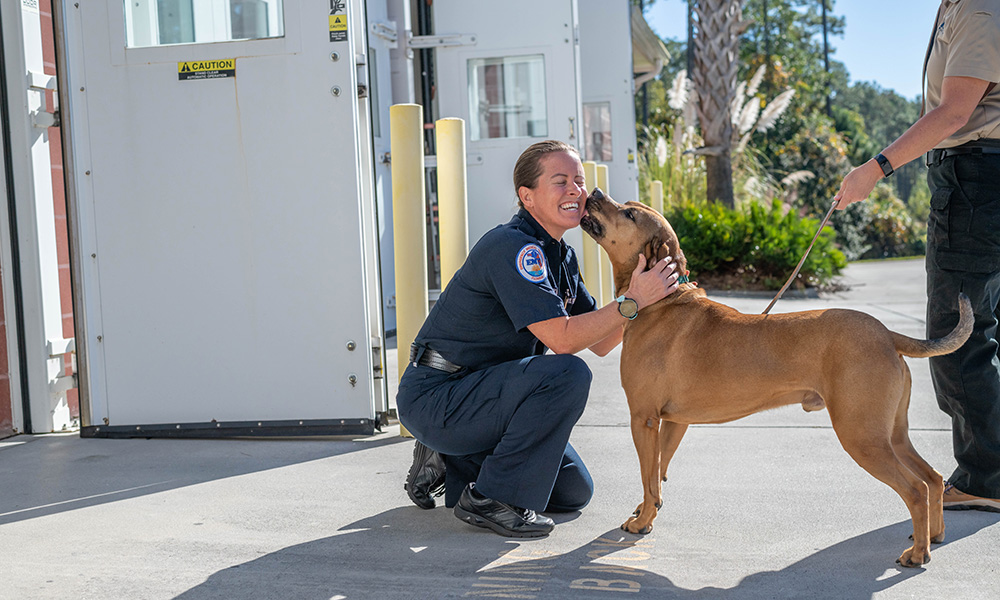
Few relationships in the world of law enforcement are as enduring and profound as the connection between K-9 officers and their handlers. It’s a partnership forged not only through training but through an unspoken understanding that transcends words. This bond is the bedrock upon which the effectiveness of K-9 units is built.
The Special Bond
Stanley Coren, a renowned canine psychologist and professor, has shed light on the intricate dynamics of this unique partnership. As cited in his article on Psychology Today, Professor Coren points out that dogs are astute judges of human emotions. They read our faces with a precision that would make even the most seasoned poker player break into a sweat. Interestingly, he notes that for dogs, an impassive or unresponsive human face can be perceived as untrustworthy. In other words, in the canine world, a stoic expression isn’t a sign of strength; it’s a red flag.
This insight from Professor Coren emphasizes just how crucial the emotional connection is in the relationship between a K-9 officer and their handler. When faced with the rigors of duty, it’s not just about giving commands; it’s about a profound, two-way understanding. Handlers must be attuned to their canine partner’s emotional state, and the dogs, in turn, rely on their handlers for guidance and reassurance.
The Heart of the Matter
It’s not a stretch to say that the bond between a K-9 and their handler is the heart of the unit. The handler isn’t just a trainer; they are a partner, a protector, and a confidant. Dogs in these units aren’t merely tools; they are valued colleagues who put their trust in their human counterparts with unwavering faith.
This connection isn’t a one-size-fits-all affair; it’s nurtured through countless hours of training, interaction, and, dare we say it, shared adventures. The loyalty and devotion of these dogs to their handlers are awe-inspiring. They willingly put their lives on the line, knowing that their handler will be there, just as committed to their safety.
The bond between K-9s and their handlers is an intricate dance of emotions, trust, and understanding. It’s a relationship that defies easy description but is integral to the success of K-9 units. As we proceed through this article, we’ll uncover the methods and techniques used to develop and maintain this extraordinary connection, ensuring that these exceptional working dogs and their human partners operate as a harmonious team.
Communication in K-9 Training
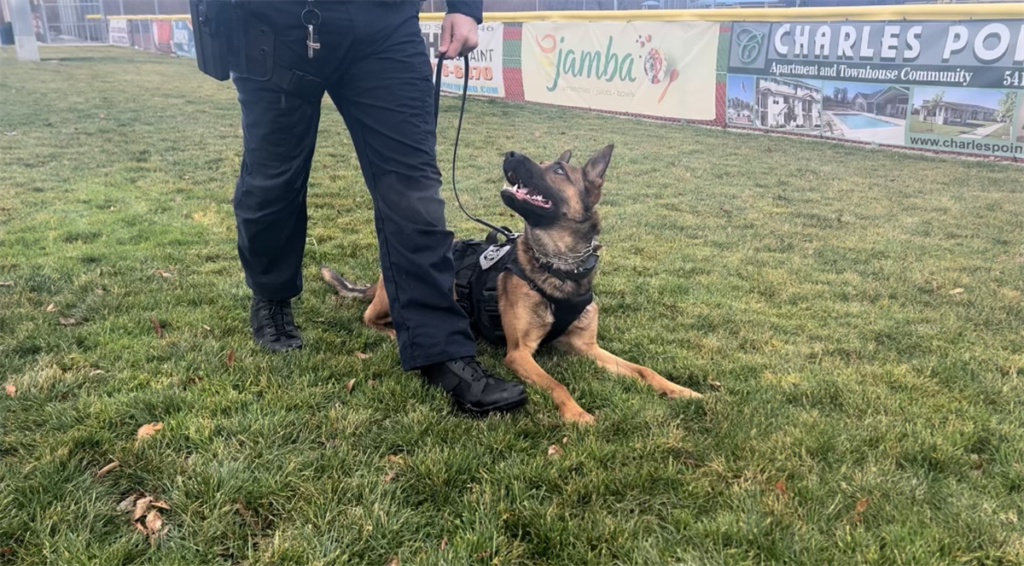
At its core, effective communication between human handlers and their canine partners is paramount. In this section, we embark on an in-depth exploration of the multifaceted realm of K-9 training, delving into the various modes of communication employed and underscoring the pivotal roles played by vocal commands, hand signals, and body language.
The Art of K-9 Training
K-9 training is, without a doubt, a multifaceted endeavor
As Chaos to Calm K9 Training, a respected authority in the field, asserts in their enlightening blog article, “Tone of Voice: Neutrality is Best in Dog Training,” the tone employed by a handler during training holds significant weight. This assertion underscores a fundamental aspect of the training process – it’s not just about what is said to a dog; it’s about how it is said. The neutrality in tone advocated by experts like Chaos to Calm K9 Training imparts a sense of consistency and clarity to the canine trainee, facilitating effective communication.
I notes, like explained in my article, “The Cellphone: The Public Enemy Number One of the Canine Trainer,” achieving peak concentration during training requires minimizing defocusing moments on the part of the handler. In essence, the fewer distractions and variations in communication, the more efficiently a dog comprehends and responds to commands, ensuring a higher rate of success in K-9 training.
Modes of Communication
K-9 training relies upon a rich tapestry of communication methods, with the primary modalities being vocal commands, hand signals, and body language. Dogs, with their acute senses and heightened awareness, excel at reading these cues. For instance, a firm voice coupled with a raised hand may signify “halt,” while a gentler tone and a lowered hand may indicate “come.”
In the intricate choreography of commands, consistency is the linchpin. Dogs thrive on predictability, and handlers must ensure that their commands and cues remain uniform across diverse scenarios. The neutrality of tone ” becomes indispensable, as it ensures that the dog is concentrating on the command itself, impervious to any emotional fluctuations in the handler’s voice.
The Role of Vocal Commands
Vocal commands constitute the cornerstone of communication in K-9 training. Dogs are innately attuned to the human voice, and with consistent, unambiguous vocal cues, they can accomplish complex tasks and navigate challenging situations. Experts in the field emphasize the importance of using clear, one-word commands that are easily discernible to the dog.
For instance, commands such as “sit,” “stay,” “heel,” and “down” are concise and universally understood. Their effectiveness lies not only in the words themselves but also in the tone, pitch, and rhythm with which they are delivered. Neutrality in tone, ensures that the dog’s focus remains squarely on the command, impervious to any emotional fluctuations in the handler’s voice.
The Visual Component: Hand Signals and Body Language
While vocal commands occupy a central role, hand signals and body language are equally vital elements of communication in K-9 training. These non-verbal cues enhance the clarity of commands and provide redundancy, a feature that can be invaluable in noisy or high-stress environments.
For example, a raised open hand may signal “stop,” while a sweeping motion with the hand may indicate “search.” Paired with vocal cues, these visual signals facilitate swift comprehension and response to instructions, even in situations where auditory commands may be muffled or inaudible.
K-9 training is an intricate symphony of communication, where each note and gesture are carefully composed to ensure harmony and success. Vocal commands, hand signals, and body language converge to form a masterpiece of understanding between human handlers and their canine comrades. The significance of consistency and neutrality in tone cannot be overstated; they serve as the bedrock of effective communication, underpinning the exceptional achievements of K-9 units in the field.
As we journey through this exploration of K-9 communication and training, it’s crucial to remember that these methods and principles are not static. They evolve and adapt, just as the partnerships between handlers and their canine counterparts deepen over time. With this understanding, we move forward, prepared to uncover even more layers of this remarkable world of K-9s and their vital roles in our society.
To further underscore the importance of this nuanced communication in K-9 training, we turn to the words of renowned experts in the field, including Stanley Coren, whose insightful observations on canine psychology continue to shape our understanding of the unique bond between humans and their K-9 companions. These voices, among others, serve as beacons of knowledge and guidance as we navigate the intricate terrain of K-9 communication and training.
Challenges and Solutions
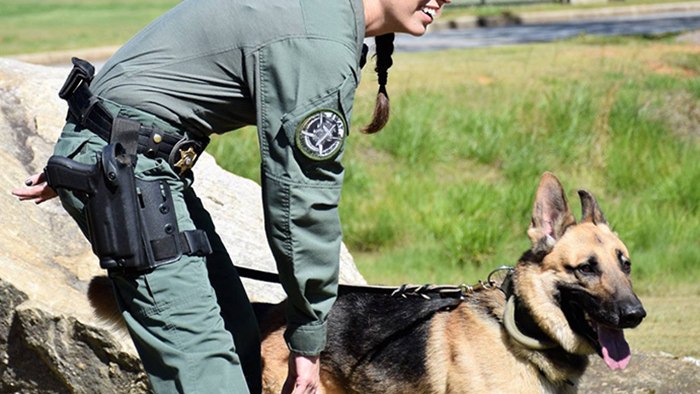
As we’ve explored in the preceding sections, the communication between K-9 units and their handlers is a delicate dance of signals, both verbal and non-verbal. However, like any complex partnership, challenges can arise. In this section, we delve into common issues that can surface in the communication between dogs and their trainers, providing valuable insights and strategies to overcome these obstacles. We’ll also highlight real-life examples of trainers who have successfully navigated difficult situations, demonstrating the power of effective communication.
Common Communication Challenges
In the world of K-9 units, effective communication is not always a walk in the park. One common challenge is the misinterpretation of cues. Dogs, being incredibly perceptive, can pick up on subtle changes in their handler’s body language or tone, sometimes interpreting them differently than intended. This miscommunication can lead to confusion and hinder the successful execution of commands.
Another challenge is environmental distractions. In high-stress situations or chaotic environments, it becomes challenging for dogs to concentrate on their handler’s signals. This can be particularly problematic when precision is paramount, such as during search and rescue operations or apprehensions.
Strategies for Success
Overcoming these challenges requires a combination of patience, training, and adaptability. Handlers must continually refine their communication techniques to ensure clarity and consistency. One crucial strategy is regular training in diverse environments to expose dogs to a range of distractions, gradually building their focus and resilience.
Additionally, the use of positive reinforcement can reinforce desired behaviors and enhance communication. When a dog responds correctly to a command, rewarding them with treats, praise, or toys creates a positive association with the desired action, making it more likely that the dog will repeat it in the future.
Moreover, handlers must remain attuned to their dog’s body language and signals. Just as dogs read humans, humans must learn to “speak dog.” Recognizing when a dog is stressed, excited, or uncertain can help handlers adjust their communication approach accordingly.
Real-Life Success Stories
To illustrate the power of effective communication and the resilience of the human-canine bond, let’s turn to some real-life success stories in the field of K-9 training.
- The Tale of K-9 Hero In a high-stakes search-and-rescue operation, K-9 Hero’s handler faced the challenge of a dense forest with thick underbrush. The dog’s training had prepared him well, but the unfamiliar terrain posed difficulties. Through unwavering trust and communication, the handler guided K-9 Hero through the treacherous terrain, ultimately locating a lost hiker in distress. Their teamwork showcased the importance of a strong handler-canine connection in overcoming obstacles.
- The Resilience of K-9 Rex K-9 Rex, a police dog, faced a unique communication challenge when he encountered a suspect who had taken refuge in a cluttered warehouse. The noise, shadows, and maze-like layout made it difficult for Rex to track and apprehend the suspect. However, his handler remained calm and provided clear, consistent commands. Rex’s unwavering focus, coupled with effective communication, led to the successful capture of the suspect.
- A Lesson from the Canine Olympics In the world of competitive dog sports, communication is paramount. Handlers and their dogs must perform complex routines with precision. In one remarkable example, a handler and her dog achieved a perfect score by seamlessly communicating through intricate agility courses. Their dedication to training and their synchronized communication were key factors in their success.
These stories underscore the importance of overcoming communication challenges in the realm of K-9 units. They also demonstrate the dedication and trust that exist between handlers and their canine partners, showcasing the extraordinary feats that can be achieved through effective communication.
In conclusion, while challenges may arise in the communication between dogs and their trainers in K-9 units, they are by no means insurmountable. With a commitment to ongoing training, adaptability, and a deep understanding of their canine companions, handlers can overcome these obstacles. Real-life success stories serve as inspirational reminders of the remarkable bond and capabilities that result from clear, consistent, and effective communication. In the dynamic world of K-9 units, where lives may depend on split-second decisions, the power of communication cannot be underestimated. It is the key to unlocking the true potential of these exceptional working dogs and their handlers.
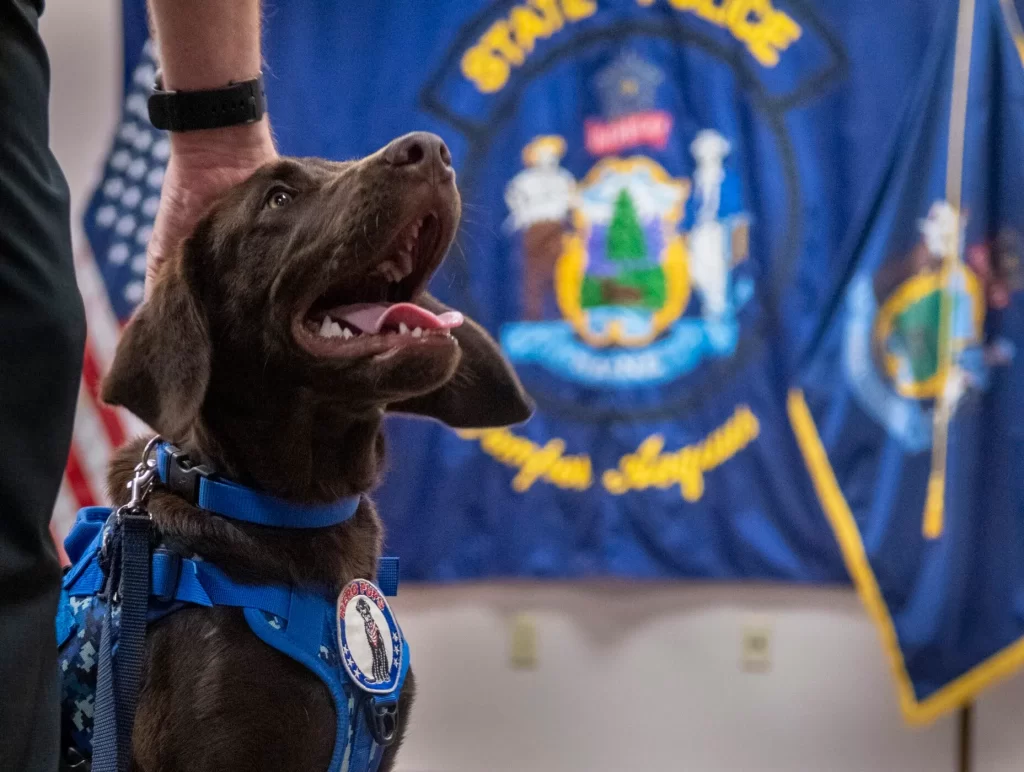
In the intricate realm of K-9 units, where precision, trust, and unwavering dedication define the partnership between handlers and their loyal canine counterparts, the importance of communication shines brightly as the linchpin of their success. This article has guided us through the remarkable world of K-9 training, where the language of commands, gestures, and emotional resonance is spoken fluently.
We’ve explored the profound bond between K-9s and handlers, where a canine’s unwavering loyalty meets a handler’s steadfast commitment. This extraordinary connection transcends mere words and serves as the heartbeat of the unit.
As we’ve journeyed further into the nuances of communication, we’ve learned how vocal commands, hand signals, and body language harmonize to create a symphony of understanding.
Communication in K-9 training is not without its challenges. Misinterpretation of cues and environmental distractions can test the bounds of this partnership. However, through strategies such as consistency, positive reinforcement, and a keen awareness of body language, these hurdles can be overcome.
Our exploration has also brought us face-to-face with inspiring real-life stories of triumph, showcasing the remarkable feats that arise from effective communication between K-9s and their handlers. These tales remind us that with unwavering dedication and trust, any obstacle can be surmounted.
In parting, I leave you with a motivational message, one that underscores the essence of our journey here: “In the world of K-9 units, every word, every gesture, every heartbeat counts. It’s not just a language; it’s a lifeline. The power of communication between man and dog is the key to unlocking greatness, ensuring safety, and enhancing the effectiveness of these exceptional working dogs and their handlers.”
As we conclude, I invite you, dear readers, to reflect upon the profound impact that communication has in shaping the safety and efficacy of K-9 units. The strength of this partnership serves as a testament to the heights that can be achieved when humans and their canine companions work in harmony.
